

When clients hear the phrase “native planting,” it can spark curiosity, confusion—or sometimes even concern. Is it wild? Is it messy? Is it just weeds?
The truth is: native planting is one of the most sophisticated sustainable landscaping choices you can make. But to understand its beauty, we have to look past traditional garden norms and into something deeper—ecology, evolution, and the art of letting natural plants lead.
Let’s explore what native planting really means here in the Midwest, how it differs from conventional landscaping, and why it’s time to reframe how we see the “wild” around us.
What is Native Planting?
At its core, native planting refers to the use of plant species that have evolved to thrive in a specific region without human introduction. In the Midwest, this includes grasses like little bluestem and switchgrass, native flowers like coneflowers, black-eyed Susans, milkweed, and shrubs like viburnum and elderberry. These species are deeply rooted (quite literally) in our local soils, weather patterns, and ecosystems.
Unlike non-native or ornamental species, Midwest native plants support local biodiversity. They provide critical habitat and food for birds, bees, butterflies, and other pollinators—all while being naturally resilient to the Midwest’s cycles of rain, heat, drought, and snow.

How Native Plantings Evolve Over Time
A native garden is not static. It’s dynamic—changing with the seasons and maturing year over year. What might appear sparse or uneven in year one becomes lush, layered, and alive by year three. Seedlings find their place. Perennials return stronger each season. Grasses sway into form. Pollinators return with purpose.
This evolution is part of the beauty. A native Midwest landscape doesn’t aim to control nature—it collaborates with it.
At Scott Byron & Co., our role is to design native plantings with intention—composing them in ways that enhance your architecture, soften your hardscapes, and blend ecological value with elevated aesthetics. We ensure these spaces are accessible and enjoyable while remaining rooted in their natural function.
Not Just Weeds: Changing the Narrative
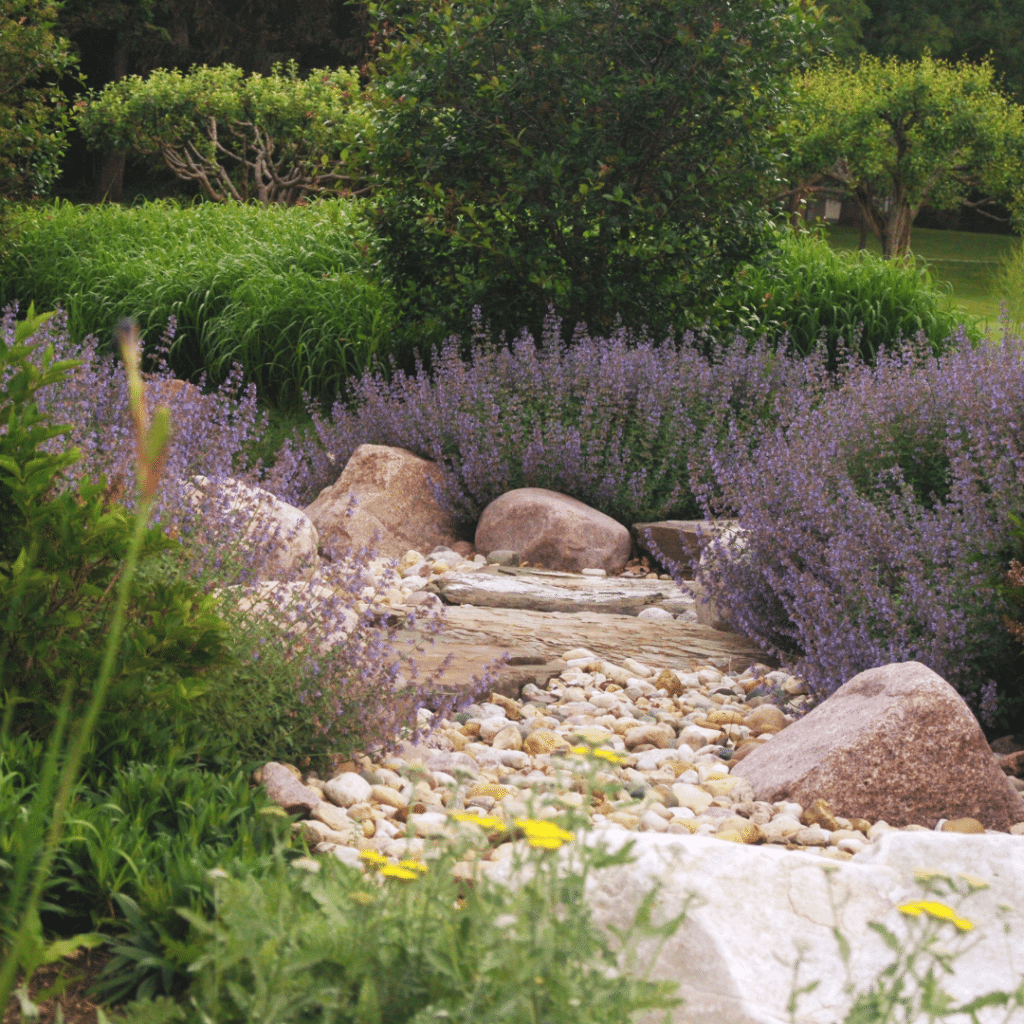
Some native plants—goldenrod, milkweed, and joe-pye weed, for example—have historically been misunderstood as common wild plants or unkempt. But these species were here long before lawns and mulch rings. What they lack in manicured precision, they more than make up for in ecological performance and quiet beauty.
So what separates a native planting from a patch of weeds? Design. Intention. Stewardship. Our landscape architects curate plant combinations with purposeful layering, bloom succession, and visual rhythm. We also manage and maintain these plantings so they look cared for—even as they retain a naturalistic feel.

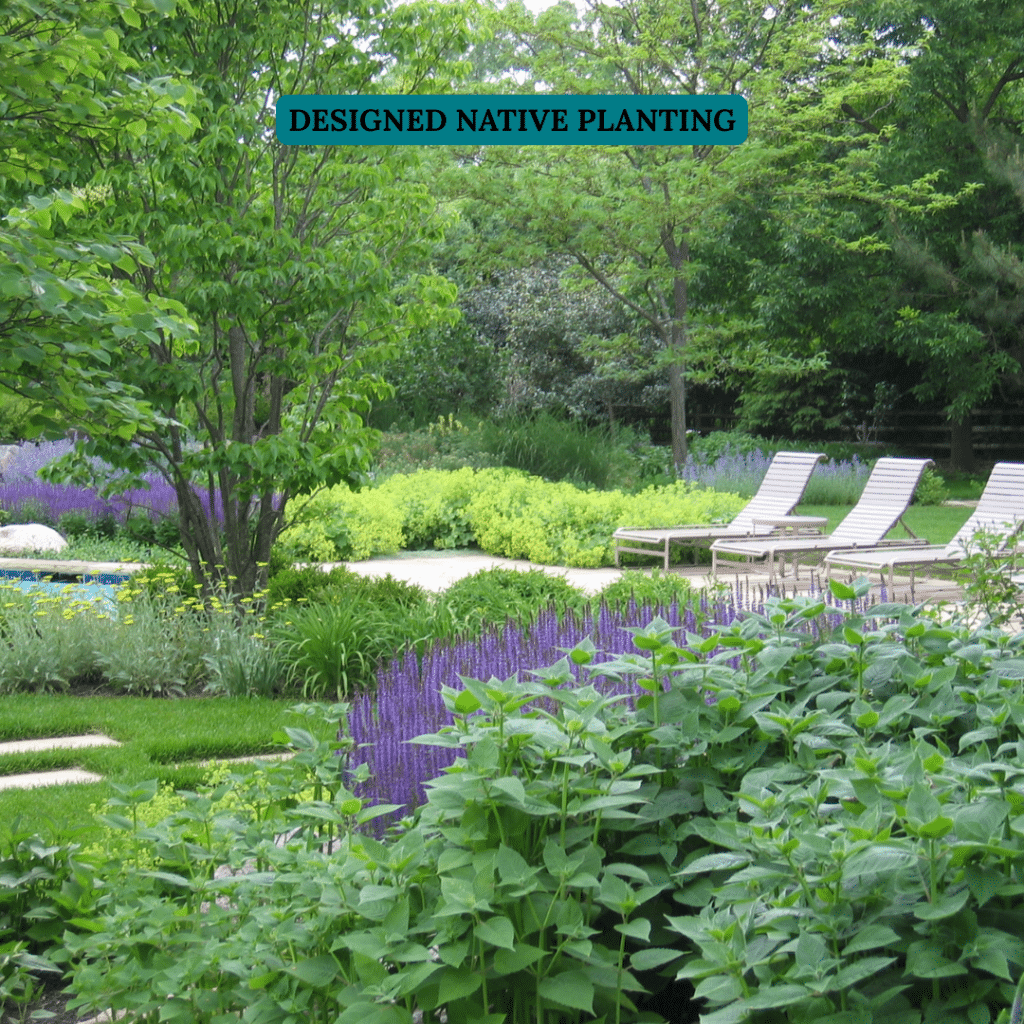
Native does not mean unmanaged. The difference lies in thoughtful design and stewardship.
How Native Planting Differs from Traditional Landscaping
Traditional landscape design often emphasizes symmetry, control, and a predictable bloom cycle. While it can be beautiful, it often relies on non-native species that may require more water, chemicals, or maintenance—and offer less ecological value in return.
Core Values Behind Native Landscape Design
- Seasonal rhythm over year-round uniformity
- Habitat and function over formality
- Long-term sustainability over short-term perfection
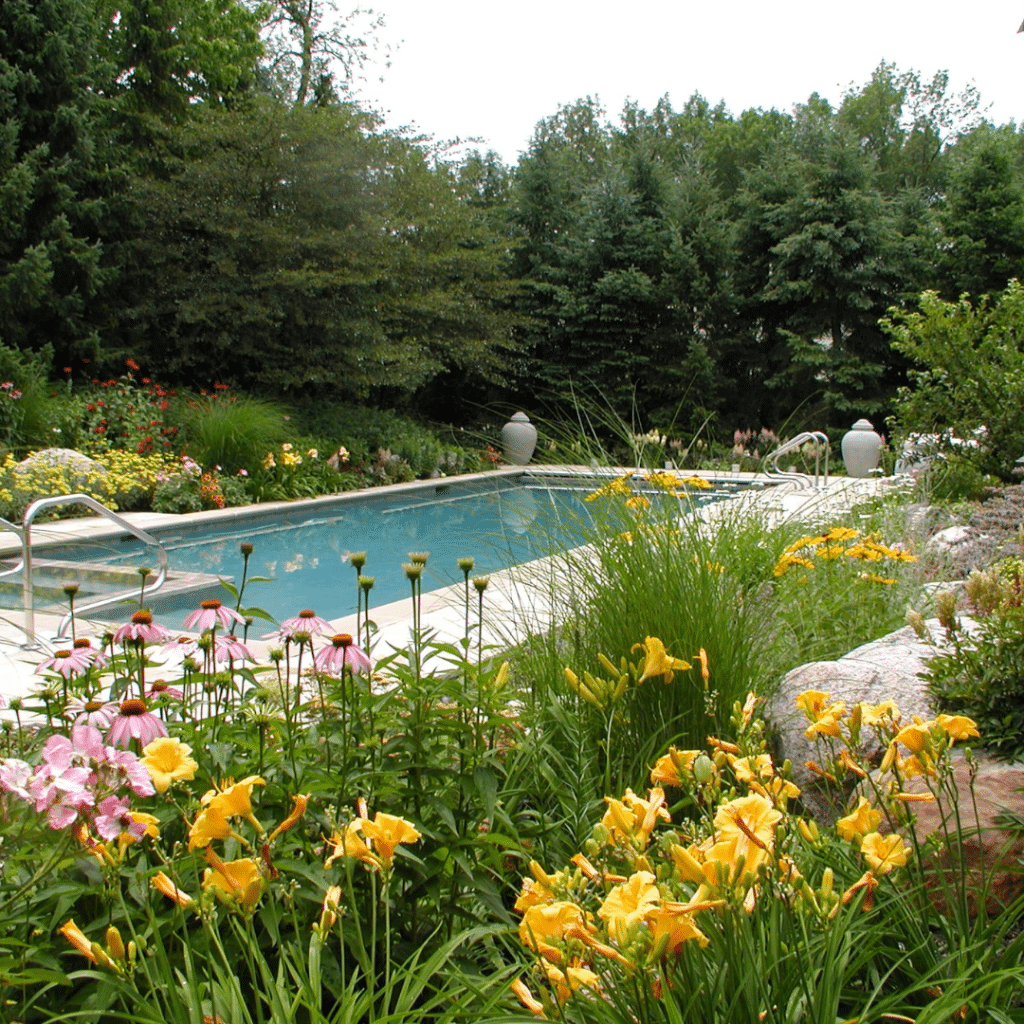
And yet, native design doesn’t mean sacrificing luxury or curb appeal. Quite the opposite. When executed well, Midwest wildflowers and other local plants create some of the most breathtaking, immersive, and low-maintenance spaces imaginable.
Final Thoughts: Cultivating Connection
A native landscape is more than just a garden—it’s a bridge. A bridge between past and present, between architecture and ecology, and between our homes and the natural rhythms that surround them.
By embracing native planting, you’re not just making a sustainable choice—you’re making a soulful one. You’re choosing to root your property in the place it belongs. And that, we believe, is one of the most beautiful things you can do.
Bring Nature Home, Beautifully with Scott Byron & Co.
Want to explore native planting options for your property? Our design team will help you create a space that feels both wild and wonderfully yours.
Schedule a Consultation